If you have never had a fitting, it can feel oddly formal for something that takes fifteen minutes. You stand on a small platform, someone pins fabric around you, and you try not to move. At Belmont Alterations in Belmont, most first fittings are simpler than people expect, and the result depends less on the pinning than on what you walked in wearing.
A fitting measures the garment against your actual body, in the actual shoes and underlayers you will wear with it. Arrive in substitutes and the measurements will be substitutes too. This walkthrough covers what happens, in order, and what to bring so one visit does the job of two.
Before you leave home
Start with the shoes. Hem length, trouser break, and the fall of a long dress are all set by heel height. Bring the exact shoes you plan to wear with the garment, or the closest pair in height you own. For a wedding or formal fitting, that means the event shoes, even if you have to carry them in a bag and change at the shop.
Next, the underlayers. Wear or bring the bra, shapewear, slip, or undershirt you will wear on the day. A different bra can change where a bodice sits by half an inch or more, and shapewear smooths the waist and hips that a waist alteration is measured against. For suits, bring the dress shirt style you usually wear, since collar height and cuff length affect sleeve and jacket checks.
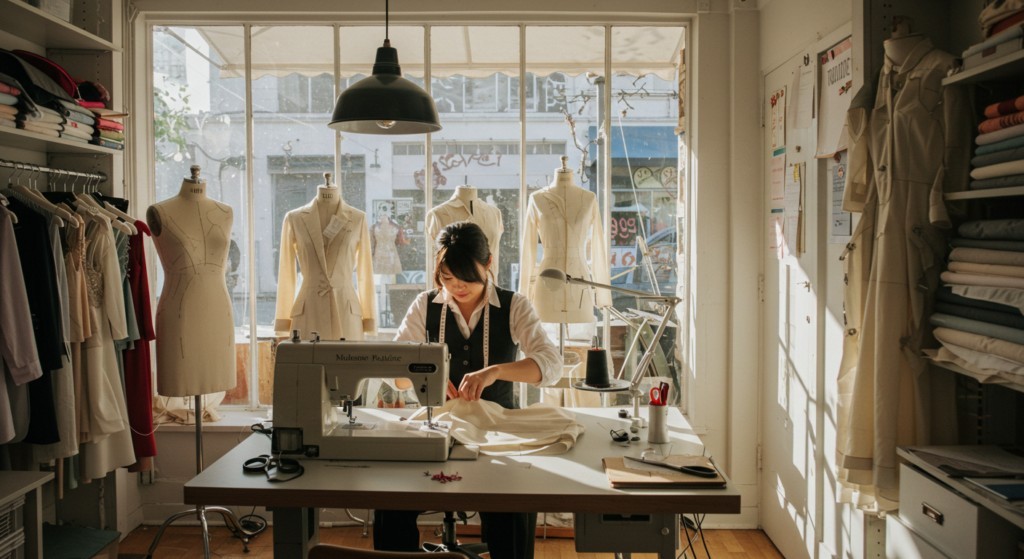
What happens, step by step
- Put the garment on as you will wear it. Shoes on, underlayers on, closures done up. Slouching in socks gives a hem reading that will be wrong in heels.
- Stand naturally and say how it feels. Point to pulling, gaping, or tight spots before pinning starts. Tailors work from what they see and what you report.
- The tailor pins the changes. Small sections are pinned at a time: waist, hem, sleeves, straps. You will be asked to turn slowly, sit, and lift your arms to test the pinned fit in motion.
- Check the mirror together. Look at the front, side, and back. This is the moment to speak up about length and snugness, not at pickup.
- Agree the work and the date. You confirm exactly what will be changed, what will be left alone, and when to return, ideally with time for a second fitting on formal wear.
- Pay attention to what not to change. If you plan different shoes or undergarments for the event, say so now, because the pins assume what you are wearing today.
The photos that actually help
Bring photos of the look you are after on your phone. A picture of the trouser break you like, the dress length on a model of similar height, or your own garment worn the way you want it to sit saves a lot of pointing and guessing. Photos are especially useful for custom clothing and for recreating a favorite fit from a garment that wore out. Bring that old favorite along too if you still have it. A tailor can measure a worn-out pair of trousers you love and use those numbers as the target for the new pair.
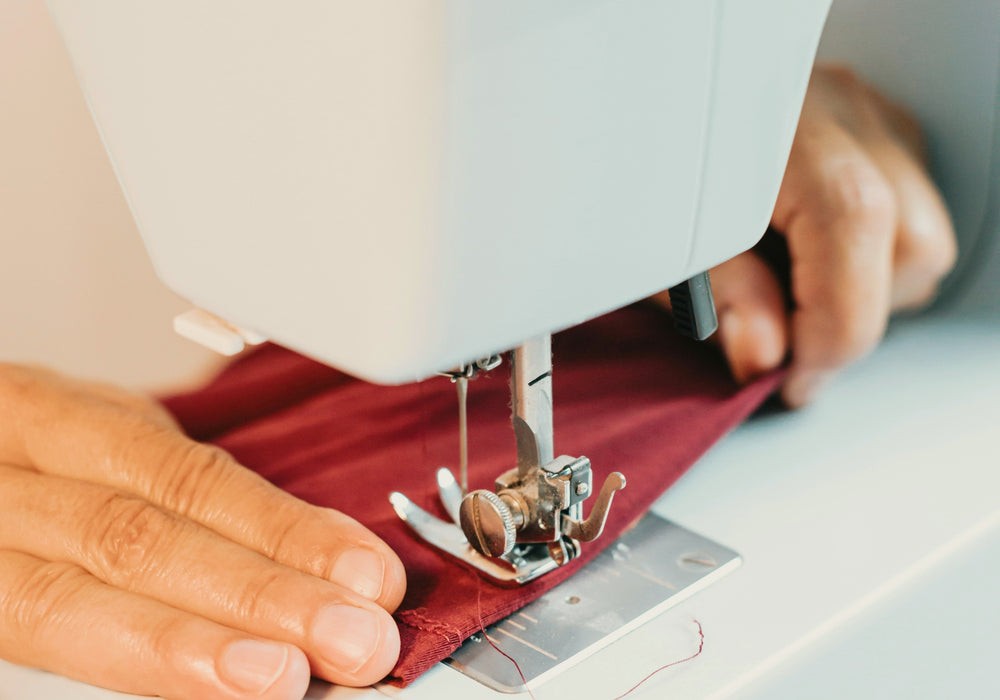
What to wear to the appointment itself
Wear clothes that are easy to change out of, and close-fitting basics underneath if you are shy about a fitting room. A plain, snug t-shirt and leggings or slim trousers let a tailor pin a dress or jacket over the top for a rough check without a full change. Avoid bulky sweaters, thick belts, and heavy jewelry that has to come off and go somewhere safe. In humid Belmont summers, a light layer also keeps a formal garment from being fitted against skin damp from the walk in, which can make delicate fabric cling and read shorter than it is.
One last item: time. Do not book a first fitting in the fifteen minutes before you need to be somewhere else. Rushing leads to skipped checks, and the sit test and arm test are the ones that catch the problems you would feel all evening at an event.
Common questions
Do I really need to bring the shoes?
Yes, if length is part of the job. Heel height sets hems and trouser break directly, and guessing it is the most common reason a hem needs a second trip.
What if I have not bought the event shoes yet?
Bring the closest pair in heel height and buy the real ones before the final fitting. Tell the tailor the shoes may change so the last check can confirm the length.
How long does a first fitting take?
Most take fifteen to thirty minutes for a single garment. Formal wear and custom clothing take longer because more points are pinned and tested in motion.
Photos in this guide are representative stock images.
← All guides from Belmont Alterations← Back to Belmont Alterations